

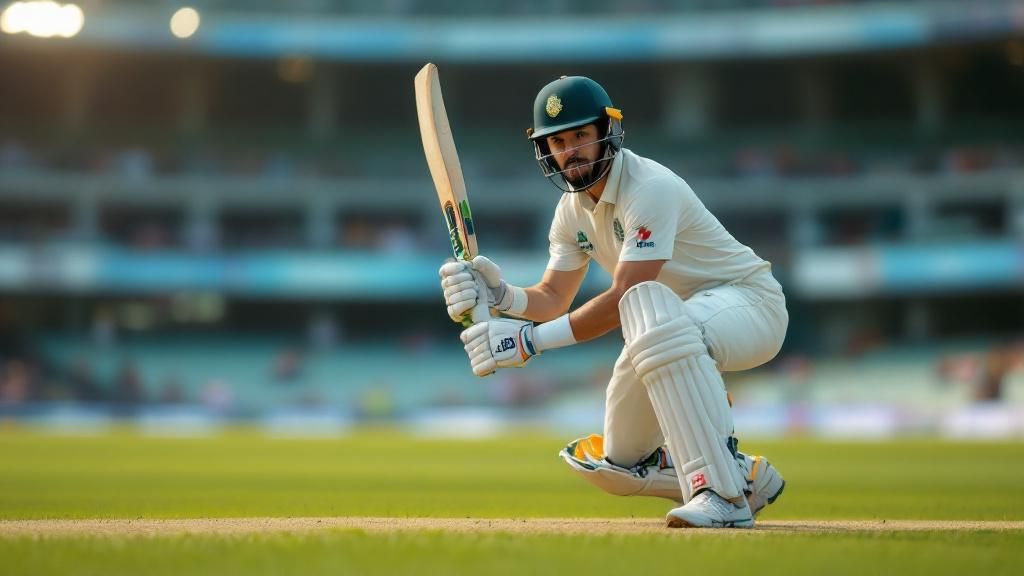
England opener Ben Duckett has pledged to prioritise professionalism this summer after his conduct during the winter Ashes series in Australia drew criticism. The 31-year-old admitted that his behaviour did not meet the required standard following reports of excessive drinking by players, particularly during a break in the seaside resort of Noosa. A video emerged on social media that appeared to show Duckett intoxicated, adding to the disappointment of England’s 4-1 Test defeat. Despite the off-field issues, Duckett has withdrawn from the Indian Premier League to concentrate on county cricket with Nottinghamshire, hoping to secure his place in the England side for the summer Test series against New Zealand beginning in June.
Ashes Reckoning
England’s 4-1 loss in the Ashes was a bitter pill to swallow, but the actual cricket became overshadowed by the off-field controversy that consumed the tour. The squad’s behaviour during a break in Noosa attracted significant scrutiny, with social media footage appearing to show players in different levels of drunkenness. Duckett was candid about his involvement in the affair, recognising that such behaviour was unbecoming of a professional athlete. “If we’re winning that series, it’s likely not news and no one cares,” he noted, recognising that defeat had merely amplified the examination of the team’s discipline.
For Duckett, the winter amounted to a perfect storm of personal and professional struggles. His form at the crease worsened considerably, managing just 202 runs across 10 Test innings at an mean of 20.20, with a maximum score of only 42. The mix of poor performances and damaging headlines has left his England prospects in doubt. Yet the 31-year-old appears determined to rebuild. He has undertaken considerable sacrifices, including opting out of the lucrative Indian Premier League, to show his resolve to reclaiming England’s trust and reclaiming his spot in the Test squad.
- Duckett accumulated 202 runs in 10 Ashes Test innings at 20.20
- The opener managed just one half-century over 16 winter innings
- Video footage emerged showing Duckett in a drunken state
- He withdrew from IPL to concentrate on county cricket
Personal Responsibility and Past Errors
Duckett has been notably forthright about his struggles with professionalism throughout his international career. The 31-year-old recognised that upholding the expectations expected of a professional cricketer has not always come naturally to him, but he has repeatedly shown a willingness to accept responsibility when he has fallen short. “It’s not a secret that professionalism is something I’ve struggled with throughout my career,” he admitted, whilst emphasising his determination to improve. His candour suggests a player who recognises the gravity of his situation and understands that further lapses could prove terminal to his Test ambitions.
The strategic moment of Duckett’s commitment to enhanced rigour is crucial. At 31, he is acutely aware that the physical and mental resilience for damaging lifestyle habits diminishes with age. “At 26, 27 or 28 you can sidestep it,” he remarked, drawing on his early career in the sport. “Whereas I’m obviously ageing now.” This recognition seems to have strengthened his resolve. By stepping back from the IPL and dedicating himself to county cricket, Duckett is indicating that his priorities have shifted decisively towards salvaging his England career, even if it means sacrificing significant financial rewards.
A Pattern of Behaviour
This is not Duckett’s initial brush with contention surrounding off-field conduct. During the 2017-18 Ashes tour, when he was a member of the England Lions squad shadowing the main team, he famously poured a drink over the head of pace bowler James Anderson during an altercation in a Perth bar. That incident, whilst fairly insignificant in the broader context of cricket misdemeanours, underscored a series of poor decision-making in social situations. The intervening years have done nothing to indicate the problem had been fully resolved, making the Noosa incident in question particularly frustrating for England’s leadership.
What sets apart Duckett’s ongoing difficulties is the public nature of the breach and the when the tour’s difficulties. Had England won the Ashes comfortably, the Noosa footage might have attracted little more than a wry smile from supporters. Instead, the combination of losing and disciplinary problems has established a story of a squad in chaos. Duckett’s recognition of this truth—that victories cover up issues—implies he grasps the vulnerable situation he currently finds himself in and the necessity of tangible behavioural change to persuade selectors of his eligibility for tours ahead.
Important Actions for Summer Selection
Duckett’s choice to step back from the Indian Premier League represents a strategic move to showcase his dedication to England ahead of the upcoming Test matches against New Zealand. Rather than pursuing financially rewarding deals in franchise cricket, he has opted to stay in the domestic County Championship with Nottinghamshire, a decision intended to catch the eye of selectors and develop his batting in familiar surroundings. This forgoing of substantial earnings underscores the seriousness with which he is approaching his comeback, sending a clear message that international cricket is his primary focus.
The opener will shortly hold discussions with England coach Brendon McCullum to discuss his route back to the Test side, though he is unsure of his status for the opening fixture in June. His form statistics reveal a worrying trend: just one half-century across 16 innings this winter, and a disappointing average of 20.20 during the Ashes with a highest score of 42. These numbers suggest that professionalism alone may not guarantee selection, and Duckett must combine his conduct improvements with a significant improvement in match performance to persuade the coaching staff of his readiness.
- Withdrawing from IPL to concentrate on domestic cricket and England readiness
- Scheduled conversations with coach Brendon McCullum regarding selection chances
- Looking to regain form through Nottinghamshire early County Championship fixtures
The Route to Restoration
Duckett’s admission that professionalism is an area he has “struggled with throughout my career” demonstrates a forthright self-awareness that may prove crucial to his recovery. The 31-year-old has a history of disciplinary lapses, most notably the infamous 2017-18 incident when he poured a drink over James Anderson’s head during an England Lions tour in Perth. Yet his willingness to “hold his hands up” when he transgresses suggests a potential for growth and learning. This contrition, coupled with substantive measures such as sacrificing IPL earnings, indicates Duckett is serious about addressing the behavioural shortcomings that have periodically undermined his international career.
The road to redemption calls for more than simple apologies; it demands sustained commitment to the expectations of an England international. Duckett’s attention to physical conditioning and psychological readiness demonstrates a well-rounded methodology to professionalism that goes further than avoiding off-field incidents. By highlighting the importance of being “in the right frame of mind,” he understands that on-field success and responsible behaviour are fundamentally connected. Strong performances over the coming months in county cricket, paired with clear progress in physical condition and behaviour, will offer concrete proof of his rehabilitation and strengthen his case for selection for the Test squad.
Age and Athletic Demands
At 31, Duckett is acutely aware that the bodily rigours of international cricket grow progressively demanding with age. He openly admitted that varying levels of fitness, once sustainable in his mid-to-late twenties, are no longer sustainable at his current stage of career. This shift in outlook suggests he recognises that maintaining peak physical condition is not merely desirable but essential for extending his England career. By prioritising fitness and professionalism now, Duckett hopes to prolong his international involvement on his own terms rather than seeing it prematurely curtailed by injury or loss of form.
